“L ELLE / Dollhell” (until 24 May) – a solo exhibition by Jānis Mitrēvics
Jūrmala’s exhibition spaces offer a diverse programme of art and culture throughout the year. They showcase contemporary art exhibitions alongside displays that highlight the resort's history and the stories of notable personalities. The exhibition venues are located in historic wooden buildings, public structures built in the second half of the 20th century, and in a post-war modernist landmark – the Art Station “Dubulti”. Jūrmala’s museums and galleries regularly host both Latvian and international artists. Together, they form a dynamic cultural environment with a broad perspective on artistic processes and the city’s identity.
Jūrmala City Museum (29 Tirgoņu Street, Majori)
-
“The Doctor at the Resort in the 19th Century” (until 24 May) – an exhibition at the Jurmala Museum exploring the 19th century as a period of rapid change in medicine, science and society, when resorts became an essential part of public health and lifestyle. The display highlights new medical methods, the rise of hygiene practices and the importance of water treatments, as well as the emergence of the resort doctor, a profession closely linked to the development of Ķemeri and the Riga seaside. The exhibition showcases objects from museum collections and private holdings, illuminating major medical discoveries and the shifts in everyday habits that laid the groundwork for modern health culture.
-
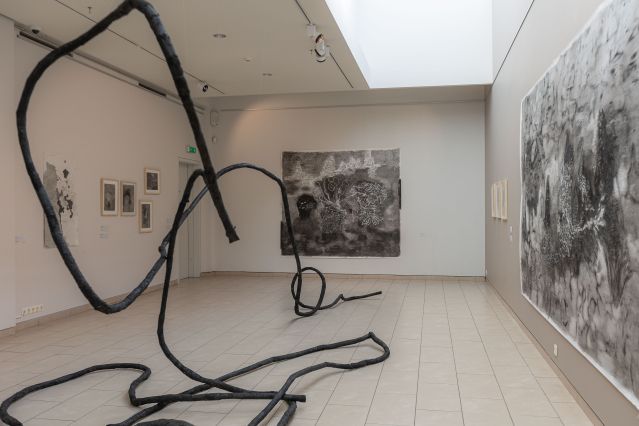
“Abrasion” (Nobrāzumi, 04.03–19.04) – a solo exhibition by artist Juris Petraškevičs at the Jūrmala Museum, where the surface of the drawing becomes a sensitive boundary between the body and the world. The works reveal the textures of graphite and charcoal, traces of touch and pigment shaped by friction, capturing movement, time and sensory experience in paper. The exhibition highlights the significance of the surface as the place where the visible and the tangible intersect, emphasizing the artist’s creative process as a space of continuous exploration, improvisation and direct engagement with material.

-
Audiovisual installation “A Vacationer on the Way to Jūrmala” (Atpūtnieks ceļā uz Jūrmalu, until 14 February, 2027) invites visitors to experience an emotionally rich journey to the resort across different eras—from horse-drawn carriages and steamships to railway travel. Using sound, imagery, and spatial scenography, the exhibition immerses visitors in the atmosphere of a historic journey and, through a sensory experience, leads them to encounter the long-awaited sea.
Jūrmala Culture Centre (Jūrmalas Kultūras centrs, Jomas Street 35, Majori)
-
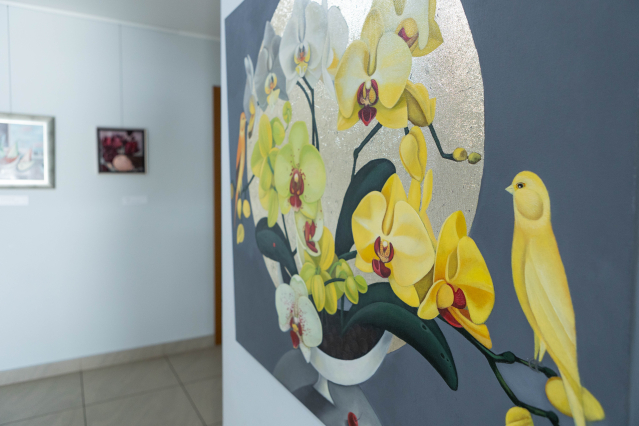
“Spring Outside the Window. Stories Painted on Canvas” (Aiz loga pavasaris. Stāsti, kas iegleznoti audeklā, 16 February – 5 May) – an exhibition by painter Rita Uļjanova at the Jūrmala Culture Centre, inviting visitors to explore the worlds of nature and people through the artist’s personal stories and experiences. Her works combine lyrical moods where reality merges with imagination – flowers, birds and figurative compositions form a symbolic visual language. The paintings reveal simple yet essential human emotions – love, joy, happiness and relationships – while birds appear as symbols of freedom and the voice of nature. The exhibition presents works created in recent years.
Bulduri Exhibition Hall (6 Muižas Street, Bulduri)
-
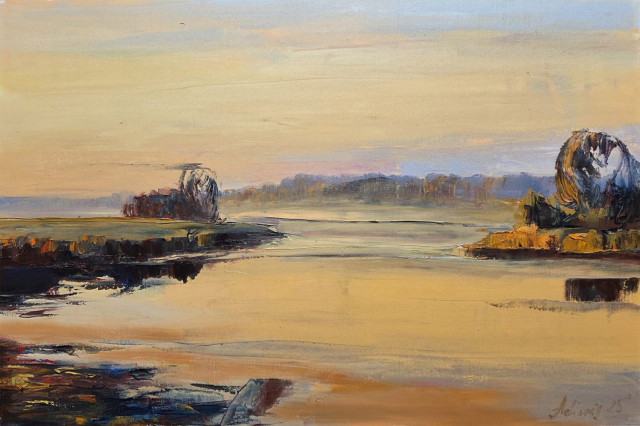
“Half of One Hundred” (Puse no simts, 10 March – 30 April) – a solo exhibition by painter Dzintars Adienis at the Bulduri Exhibition House, marking a symbolic milestone in the artist’s creative journey. Fifty years – half of one hundred – becomes a moment to reflect on accumulated experience, a matured artistic language and the body of work created so far. The exhibition reveals the artist’s creative explorations and experience while also pointing towards new directions in his future artistic path.
- Visitors can also explore the workshop and creative world of Valdis Bušs (1924–2014), an outstanding Latvian landscape painter and one of Jūrmala’s artistic legends.
Aspazija House (Z. Meierovica Prospect 18/20, Dubulti)
-
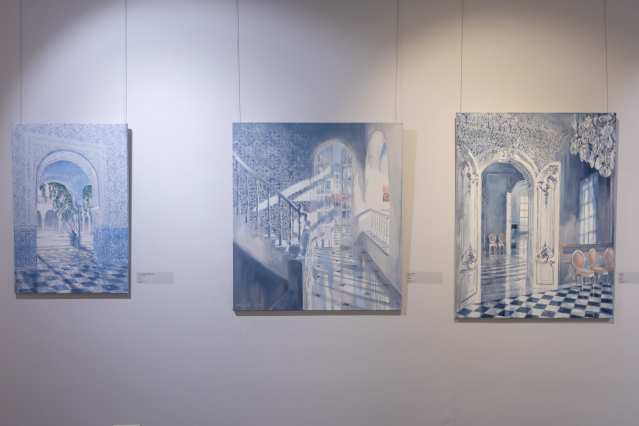
“Sheltering in the Sun” (Patverties saulē, until 14 March) – a solo exhibition by artist Dita Lūse conceived as a quiet space of peace and balance in unsettled times. In eleven paintings, light and space create a sense of slowing down, solitude and inner calm, allowing the viewer to step away from everyday tension. In Lūse’s works, light dissolves the boundaries of form and becomes the main creator of atmosphere, while the sun appears not as blinding heat but as a source of strength and clarity.
Art Station Dubulti (4 Zigfrīda Meierovica Prospect, Dubulti)
-
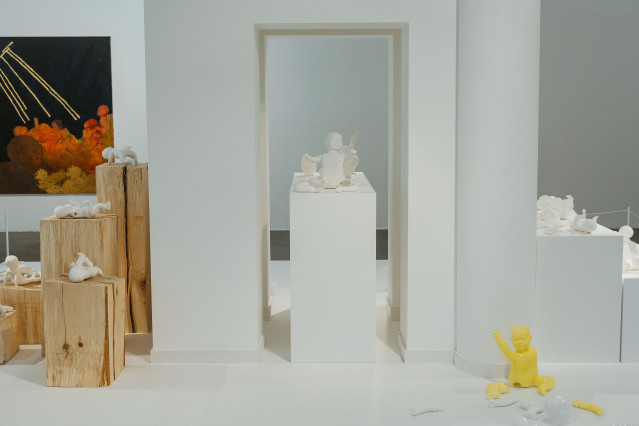
“L ELLE / Dollhell” (until 24 May) – a solo exhibition by Jānis Mitrēvics centred on the figure of the doll as a symbol of the human being, society, and the spirit of the time, expressed in paintings and porcelain sculptures. The exhibition presents newly created works in which an expressive language of colour merges with symbolic narratives about choice, power, faith, and the contemporary world. The artworks invite reflection on the human place within a rapidly changing reality and on what shapes our decisions. It is one of the artist’s most significant exhibitions in Latvia in recent years.
Jūrmala Cultural Space and Environmental Design Centre (1 Pils Street, Dubulti)
-
“HARISMA” (10 Apr–30 Jun 2026) – a solo exhibition by Jānis Ferdinands Tīdemanis, presented in Jūrmala for the first time, offering insight into one of the most distinctive voices of Latvian modernism. The exhibition centres on women, flowers, touches of light and a sense of charisma that permeates the artist’s works, revealing his unique vision of beauty and vitality. The display brings together works from the Rietumu Banka Art Collection, complemented by significant pieces from the Esterkins family collection and Zuzeum, offering a rare opportunity to experience the diversity and emotional intensity of Tīdemanis’ oeuvre in one place.