Jūrmala in Nature’s Rhythm: A City for Harmony of Mind and Body
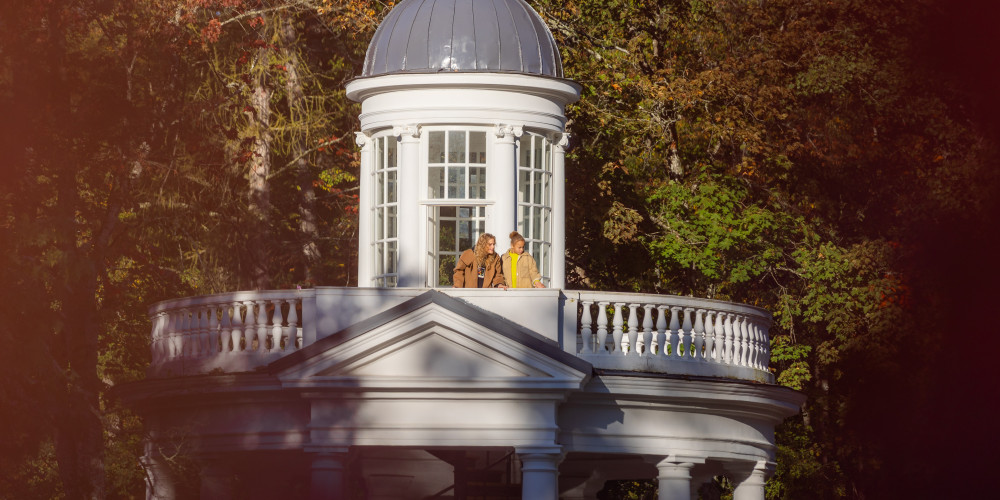
It is difficult to find another city of comparable size that combines such diverse opportunities for recreation with high environmental quality, close proximity to largely unspoilt nature and a rich cultural programme. Together, these qualities support both physical and emotional well-being. In autumn, Jūrmala offers many ways to draw on its natural resources, distinctive atmosphere and cultural life – and to restore both body and mind before the darker months of the year.
Jūrmala joined the World Health Organization’s European Healthy Cities Network in 2005, becoming the first city in Latvia to receive Healthy City status. In 2026, the WHO confirmed Jūrmala’s participation in the next phase of the European Healthy Cities initiative, extending through 2030. Health, however, has shaped the city’s identity since the early 19th century, when its natural therapeutic resources supported its development alongside Europe’s renowned spa towns.
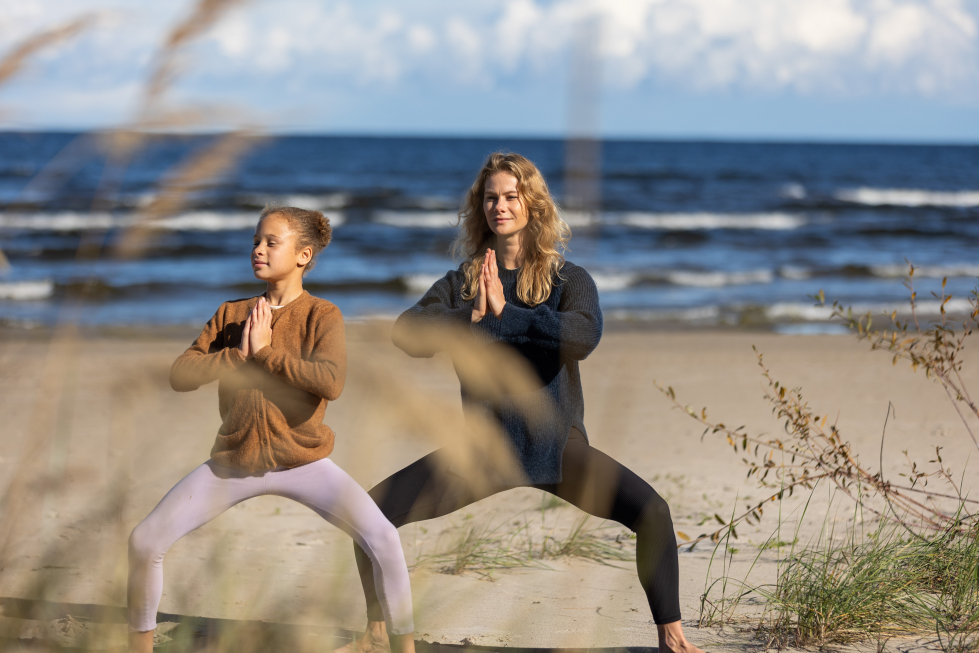
This historical foundation continues to shape Jūrmala today. The city preserves and develops its historical qualities that promote health and well-being—proximity to the sea and forests, high air quality, and the balneological resources (healing mud and mineral waters) found in its territory. Additionally, modern Jūrmala is home to high-quality rehabilitation and spa centres, expanding health and wellness care opportunities. In addition to medical treatments and therapies, Jūrmala offers various recreational options—whether peaceful or more active, they are all energetically revitalising and promoting well-being.
Healing and Rehabilitation
Jūrmala’s subterranean waters include mineral waters rich in hydrogen sulphide, bromine and sodium chloride, while therapeutic peat mud and sapropel are found in the surrounding wetlands and lakes. The Sloka Lake bog is the only place in Latvia where therapeutic peat mud is still extracted. Together with a broad range of rehabilitation services provided by qualified medical professionals, these natural resources continue Jūrmala’s long-established spa traditions.
One of the unique treatment destinations in Jūrmala is the Resort Rehabilitation Centre “Jaunķemeri”. Surrounded by the Ķemeri National Park, this rehabilitation facility continues to uphold the city’s historical spa treatment traditions, offering authentic mud and hydrogen sulphide mineral-water baths. Meanwhile, the National Rehabilitation Centre “Vaivari” provides multidisciplinary medical rehabilitation focused on restoring function, strengthening health and supporting prevention. Modern technology, such as the LokomatPro gait robot and the MiraRehab virtual reality system, plays an important role in the center’s operations, but above all, it’s the professional team of doctors who provide effective and personalized care. The Klīnika Dzintari specialises in improving psychological health with various therapies such as art therapy, movement therapy, and EMDR therapy, helping individuals uncover and release the emotional causes of anxiety. The State Social Integration Agency (SIVA) offers some of the most modern social rehabilitation options in the Baltics and is an excellent choice for those seeking effective and holistic rehabilitation.
Read more about treatment opportunities in the “Sanatoriums and rehabilitation” section.
SPA Services
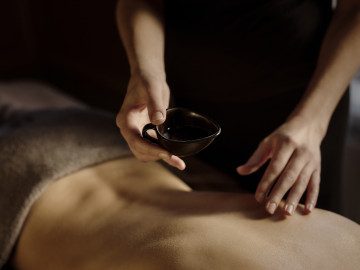
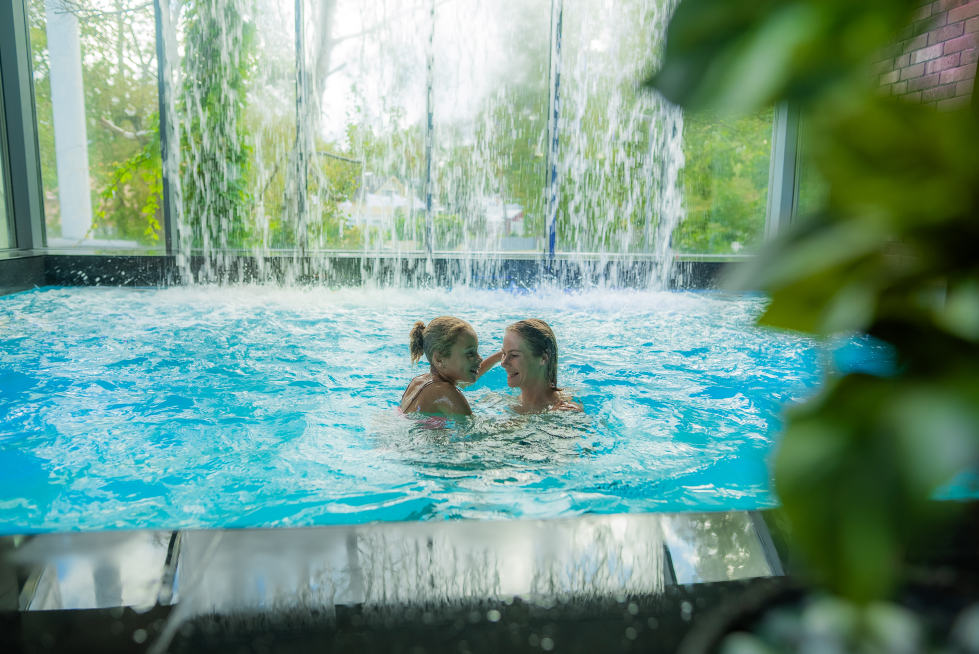
An essential stop on the path to body and mind relaxation, health improvement, and overall well-being is a visit to a SPA. For example, Baltic Beach Hotel & SPA offers three distinct wellness areas, including “Sea Wellness”, with a 25-metre pool filled with purified Baltic Sea water, as well as several saunas and water-based relaxation facilities. The extensive range of massages, including exotic Thai, Indian, and Chinese massages, is particularly noteworthy. Hotel Jūrmala SPA offers more than 100 procedures, ranging from traditional to modern approaches, including various massages, facial and body treatments, water therapies, and relaxing saunas and steam baths. Lielupe by Semarah Hotels offers a natural and ecological approach with Latvian rituals, exotic treatments, and a salt room. Kurshi Hotel & SPA stands out with its Hammam rituals, oriental steam baths, and specially prepared scrubs, along with effective facial and body treatments.
Read more about spa and beauty services in the “SPA and beauty” section.
Outdoor Activities
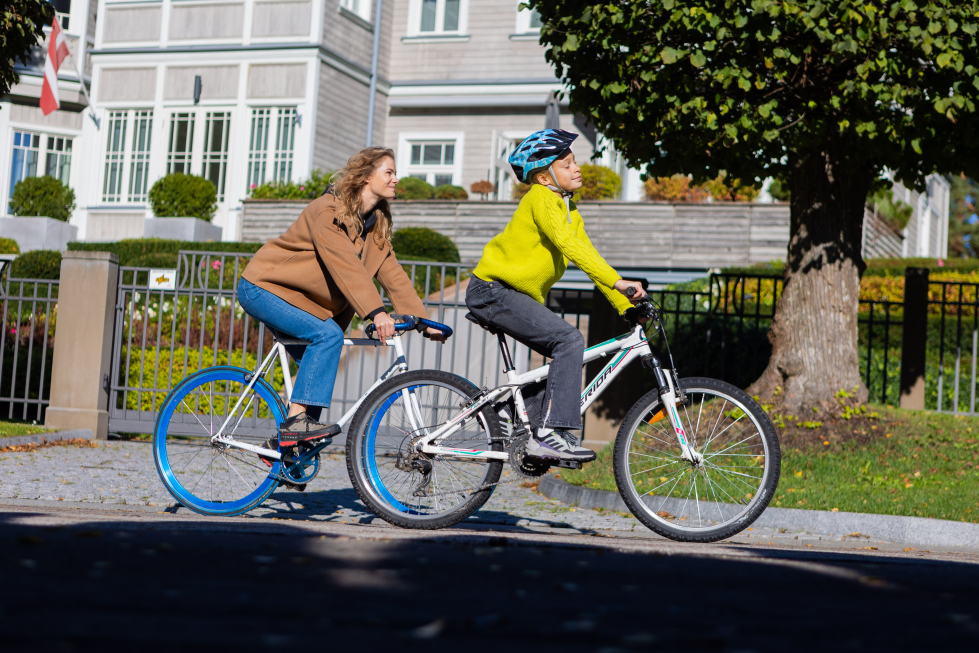
Jūrmala is both a balneological and climatic resort. The mild coastal climate, combined with pine forests rich in phytoncides (biologically active substances that destroy microorganisms), provides unique value for health-promoting walks or cycling activities in a vast and seemingly endless area, making them not only enjoyable but also particularly beneficial for health. Additionally, Jūrmala, with its urban development in harmony with nature, offers a variety of outdoor activities, complemented by cultural and historical experiences.
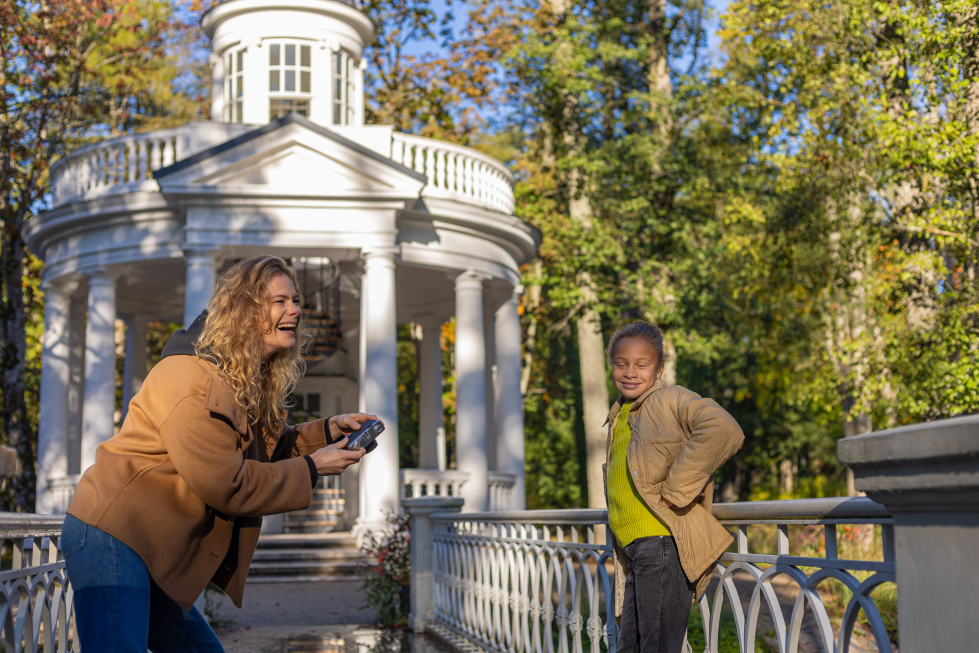
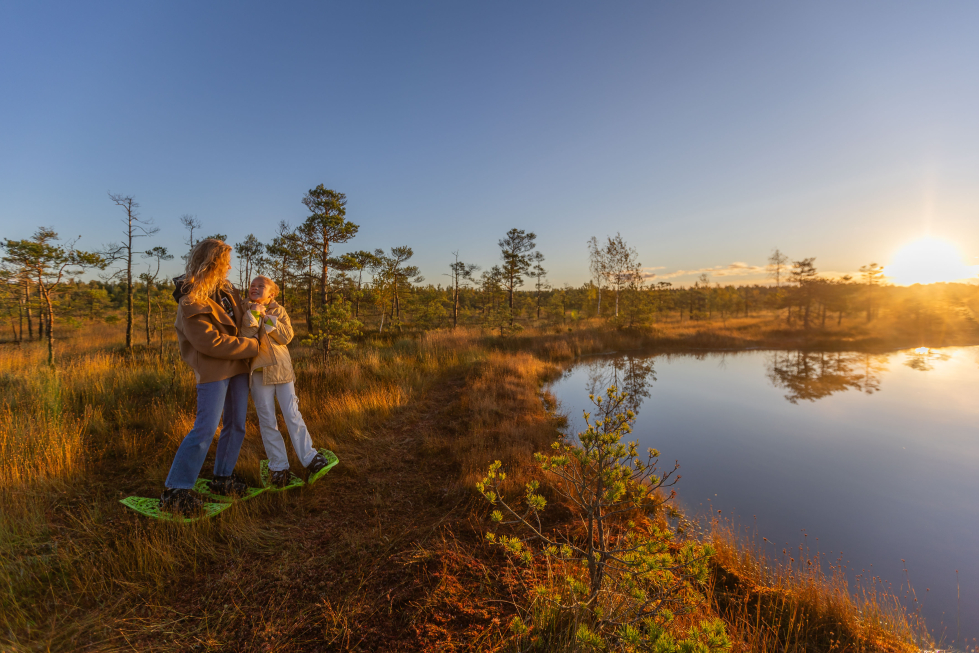
You can always choose walking routes within the city (see the “City Routes” section) or venture into the peaceful depths of nature on one of the nature trail routes (see the “Nature Trails” section). The Kemeri Resort Park, with its historical pathways and bridges, offers a romantic walk through Latvia’s oldest public garden outside Riga. One of the most remarkable nature trails is the Great Kemeri Bog Boardwalk, which winds through the wilderness of an 8,000-year-old bog. This 3.4-kilometre wooden boardwalk crosses a characteristic bog landscape of elongated pools, moss-covered expanses, dwarf pines and wild rosemary.
Another natural wonder is the Black Alder Swamp Boardwalk (Melnalkšņu dumbrāja laipa), which takes you through the floodplain forest of the Vēršupīte River – a natural forest, largely undisturbed by human activity, where black alders dominate alongside aspens, oaks, and ash trees. For those who wish to get even closer to the healing power of nature, the Lūžņu Grāvis Sulphur Spring Trail offers a 3.1-kilometer walk through the forests around Kemeri, introducing visitors to the most potent healing sulphur spring in the area. The Sulphur Ponds Boardwalk is another exceptional place where you can witness a rare natural phenomenon in Latvia – sulphur water springs surfacing and forming ponds as the water flows out. An equally fascinating option is the Sloka Lake Trail, which winds along the shores of a lake rich in waterfowl and through the surrounding forests. Meanwhile, Ragakāpa Nature Park offers visitors two nature trails that allow for exploration of the ancient pine forest, dune landscapes, and the protected plant species found there, while also revealing the park’s unique ecosystem.
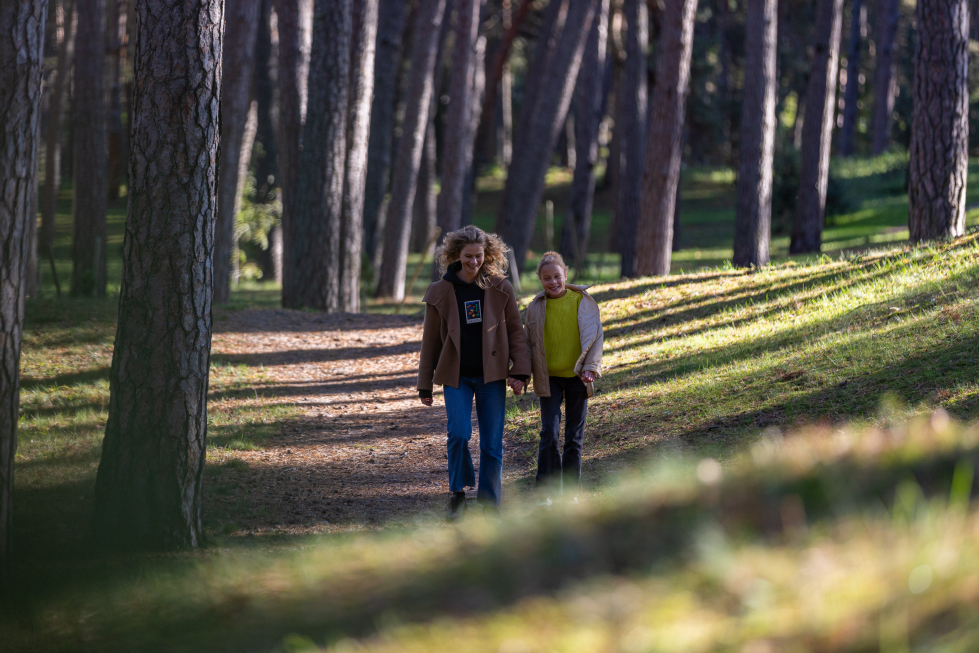
In Jūrmala, a forest trail or wetland boardwalk is never far away, while the city’s 24-kilometre beach can be walked almost from end to end (see the “Beach Guide” section). Those looking for a shorter route can follow the two-kilometre Wellness Nature Trail from Baznīcas iela in Dubulti to Amatas iela in Pumpuri. Designed for walking, Nordic walking and running, the trail also includes rest areas, exercise equipment and a sensory section.
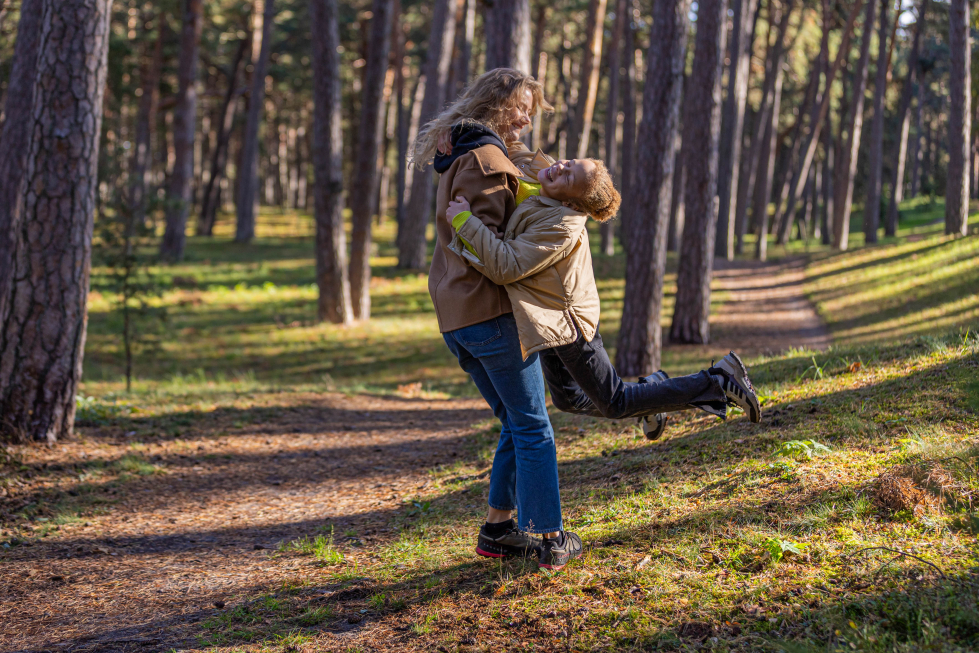
The broad sandy beach offers further opportunities for walking, running, Nordic walking and cycling (see the “Cycling Routes” section). Jūrmala also lies on the 1,419-kilometre Baltic Coastal Hiking Route, known in Latvia as “Jūrtaka”, which begins in Nida, Lithuania, and continues through Latvia to Tallinn, Estonia.
The Healing Power of Art and Music
In 2019, the World Health Organisation drew attention to the growing body of evidence connecting engagement with the arts to health and well-being. A WHO review covering more than 3,000 studies found that the arts can contribute to preventing ill health, promoting well-being, and supporting the management and treatment of illness.
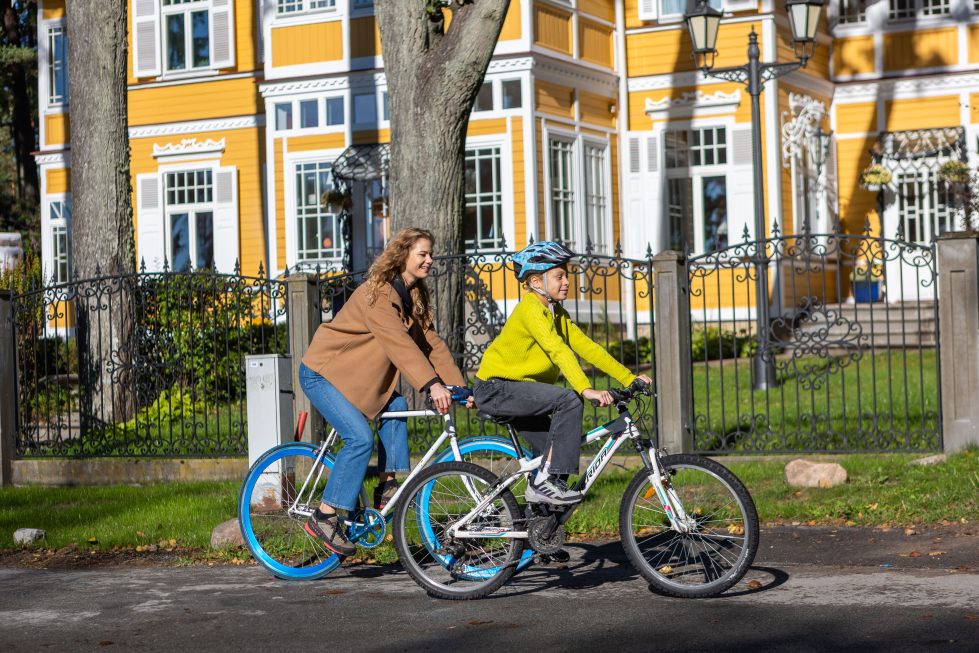
Alongside Jūrmala’s beautiful historic architecture, whose harmonious facades seem to bring order and balance even to the mind, the city offers a variety of museums and exhibition spaces where you can find inspiration, connect with the experiences and emotions of others, see the world from a new perspective, and enrich your emotional landscape.
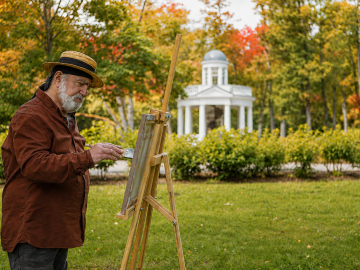
In autumn, Jūrmala’s exhibition halls present a wide panorama of visual art – from classics to contemporary interpretations. The Jūrmala Museum in Majori introduces visitors to the city’s identity and the diversity of Latvian art, while the Art Station “Dubulti” showcases contemporary art in an unconventional setting – a modernist railway station building. The Bulduri Exhibition House brings together both local and guest artists, offering thoughtfully curated exhibitions for different tastes, while the “Bastejs” gallery in Priedaine is a contemporary art space housed in a century-old building beneath the pines. The Jūrmala Open-Air Museum in Buļļuciems reveals the life of coastal fishermen in an authentic environment.Jūrmala’s long-standing musical traditions continue at Dzintaru Concert Hall, which is included in the Latvian Cultural Canon. During the summer, concerts are also held in its expansive open-air Great Hall, while the historic Small Hall presents a carefully selected programme throughout the year.
Read more about cultural opportunities in the “Art and Culture” and “Events” sections.
Culinary Well-being: A World of Flavours
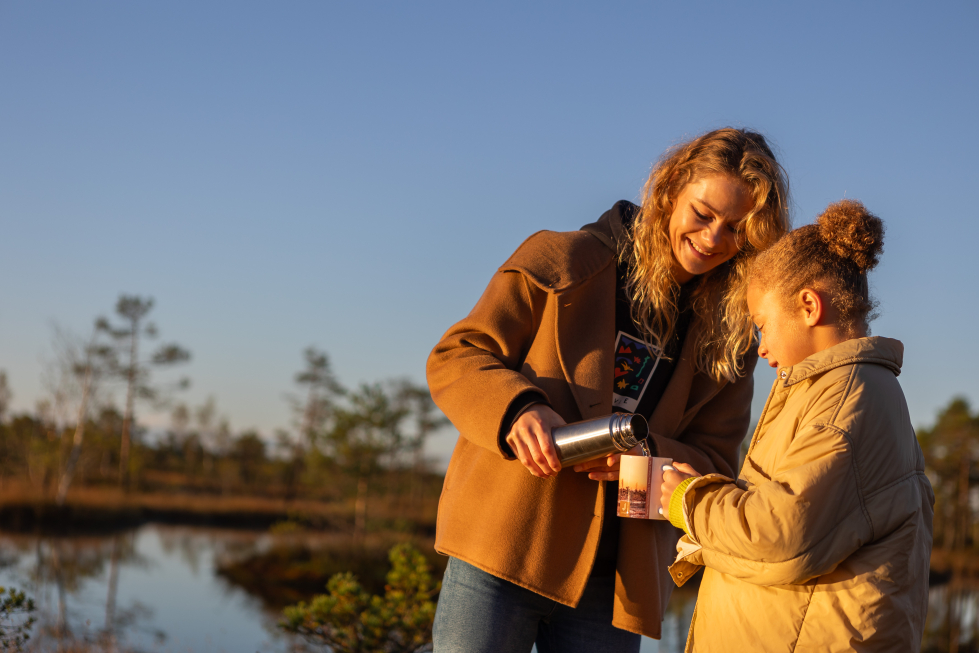
An excellent meal is also an important part of well-being, and Jūrmala brings together a wide variety of culinary traditions – from the flavours of the Caucasus and Central Asia to Eastern European and Mediterranean cuisine, alongside contemporary interpretations of Latvian food. From 5 to 18 October 2026, the city’s culinary scene will take centre stage during Jūrmala Restaurant Week, with specially created menus inspired by seasonal ingredients and international flavours.
Read more about gastronomic opportunities in the “Eat and Drink” section.